Citric Acid Powder
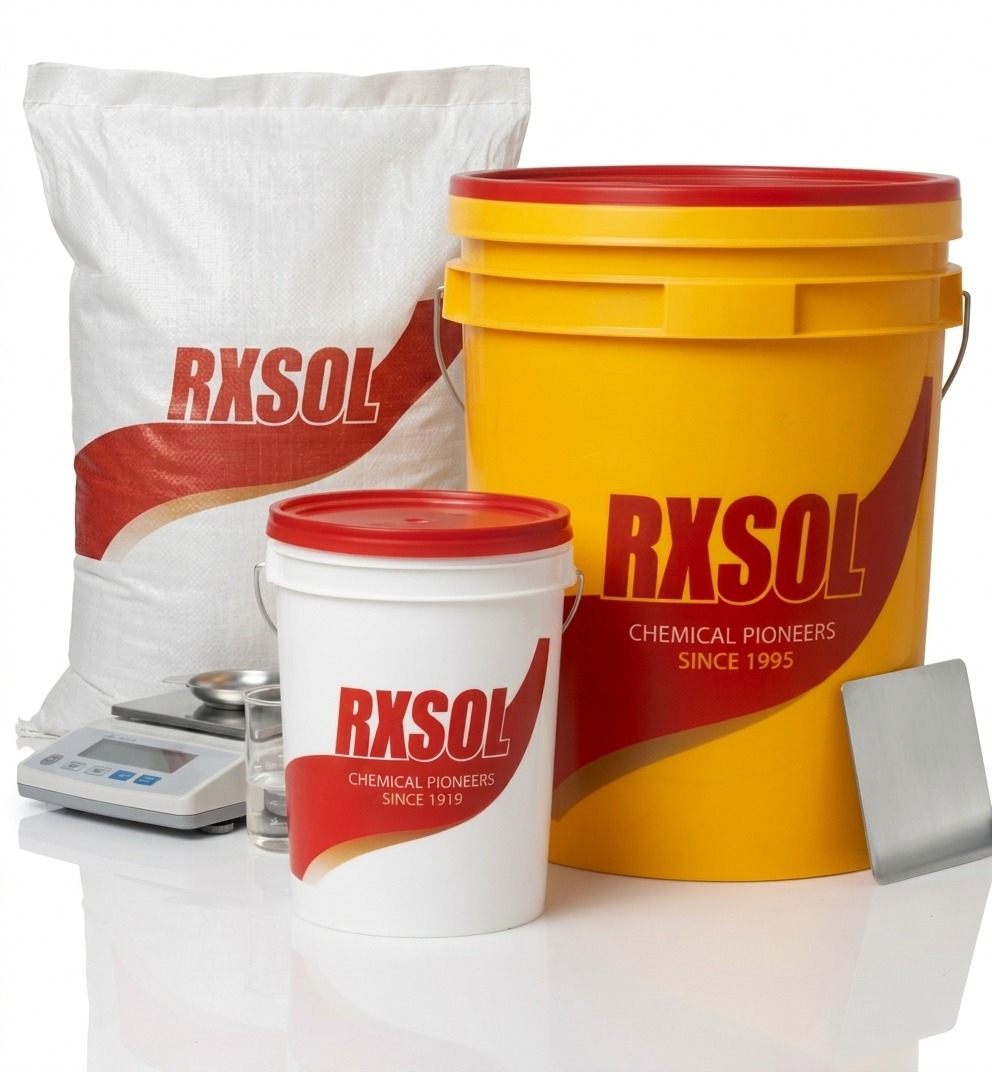
Free flowing white solid crystalline powder.
Application & Uses
Uses
CITRIC ACID is primarily used as a pH buffer, a low solids, non-dispersed, low pH drilling fluid.
Benefits
CITRIC ACID is primarily used to quickly reduce the pH in drilling fluid. One of the benefits of using Citric Acid is that it forms Sodium Citrate in the presence of Sodium based polymers such as DMA and OMNIPOL II. Sodium Citrate acts as a dispersant in water based fluids, helping to control the rheology. A third benefit of CITRIC ACID is the reduced hazard to personnel when compared to other acids normally used in drilling applications. CITRIC ACID will not reduce hardness levels in drilling fluids as will phosphoric acid.
Treatment
CITRIC ACID is added through the hopper when using the dry material, and added directly to the drilling fluid when using the liquid. A diaphragm-
metering pump may be utilized with the liquid for continuous
pH control.
Treatment levels vary with the concentration of salts, particularly hydrogen (H+) and hydroxide (OH- ).
Function
CITRIC ACID provides a layer of hydrogen ions around active clays, reducing their zeta potential and thus reducing their ability to imbibe water. This function translates to fewer solids, less swelling of the solids in the drilling fluid, reduced wellbore swelling, and more efficient solids control equipment function. A secondary benefit of CITRIC ACID is the formation of sodium citrate, a thinner. This helps counteract the flocculating influence of the hydrogen ions on first being introduced to the drilling fluid system.
Dosage & Directions for Use
CITRIC ACID is a source of hydrogen ions (H+) used to reduce the pH of a drilling fluid. Both liquid and powdered.
Uses
CITRIC ACID is primarily used as a pH buffer, a low solids, non-dispersed, low pH drilling fluid.
Benefits
CITRIC ACID is primarily used to quickly reduce the pH in drilling fluid. One of the benefits of using Citric Acid is that it forms Sodium Citrate in the presence of Sodium based polymers such as DMA and OMNIPOL II. Sodium Citrate acts as a dispersant in water based fluids, helping to control the rheology. A third benefit of CITRIC ACID is the reduced hazard to personnel when compared to other acids normally used in drilling applications. CITRIC ACID will not reduce hardness levels in drilling fluids as will phosphoric acid.
Treatment
CITRIC ACID is added through the hopper when using the dry material, and added directly to the drilling fluid when using the liquid. A diaphragm-metering pump may be utilized with the liquid for continuous pH control.
Treatment levels vary with the concentration of salts, particularly hydrogen (H+) and hydroxide (OH- ).
Function
CITRIC ACID provides a layer of hydrogen ions around active clays, reducing their zeta potential and thus reducing their ability to imbibe water. This function translates to fewer solids, less swelling of the solids in the drilling fluid, reduced wellbore swelling, and more efficient solids control equipment function. A secondary benefit of CITRIC ACID is the formation of sodium citrate, a thinner. This helps counteract the flocculating influence of the hydrogen ions on first being introduced to the drilling fluid system.
Technical Specifications & Properties
Product Description & Chemical Profile
CITRIC ACID is a source of hydrogen ions (H+) used to reduce the pH of a drilling fluid. Both liquid and powdered. CITRIC ACID provides a layer of hydrogen ions around active clays, reducing their zeta potential and thus reducing their ability to imbibe water. This function translates to fewer solids, less swelling of the solids in the drilling fluid, reduced wellbore swelling, and more efficient solids control equipment function. A secondary benefit of CITRIC ACID is the formation of sodium citrate, a thinner. This helps counteract the flocculating influence of the hydrogen ions on first being introduced to the drilling fluid system.
Need pricing, bulk volume, or vessel delivery today?
Send us your required quantity, delivery location, or vessel IMO number. Our technical marine supply team replies within 1 hour.