BIOCIDE for Closed Loop Chilled Water
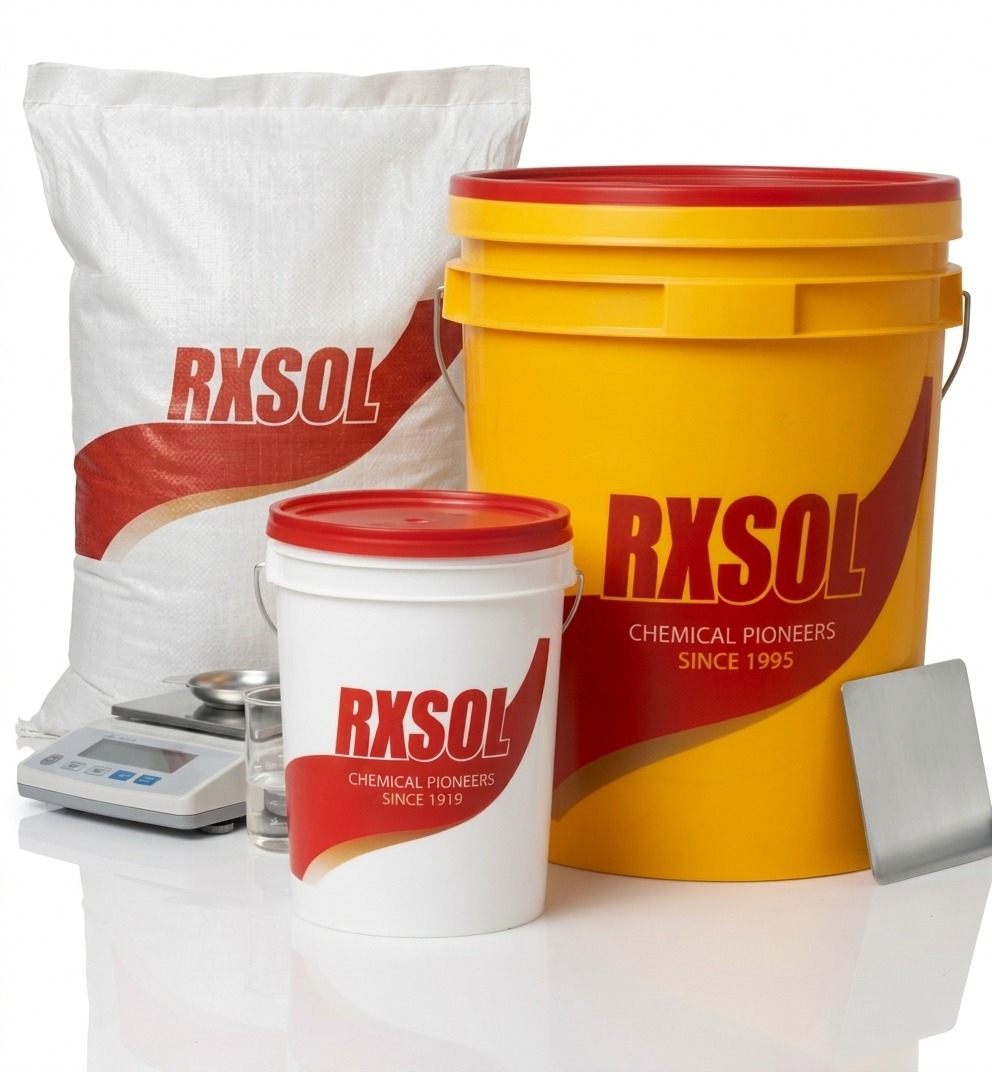
Very effective controler of BACTERIA and corrosion from closed loop chilled water system.
Application & Uses
Applications of Cooling Water Biocide
1. Closed-Loop Cooling Systems
Closed-loop cooling systems can experience microbial contamination, particularly when water quality, temperature, or system conditions support microbial growth. A suitable non-oxidizing biocide can help control bacteria and fungi and reduce biological fouling.
2. Recirculating Cooling Towers
Cooling towers continuously recirculate water, creating conditions that can support microbial growth. Biocide treatment helps control algae, bacteria, fungi, slime, and biofilm, supporting efficient heat transfer and cleaner tower operation.
3. Air Washers
Air-washing systems use circulating water and can become susceptible to microbial contamination. A properly selected biocide can help control biological growth and maintain cleaner circulating water.
4. Heat Exchangers
Microbial deposits and biofilm can accumulate on heat-transfer surfaces and reduce heat-transfer efficiency. Biocide treatment can form part of a preventive water-treatment program to control biological fouling.
5. Industrial Process Water Systems
Non-oxidizing biocides are also used in selected industrial water circuits where microbial growth can affect equipment performance, water quality, or production processes.
marine / Industrial circulating cooling water for both open and closed loops ( including food contact )
Milk & Dairy products processing and packaging plants.
Wineries, vineyards and breweris plant
Meat, Seafood, poultary and vegetable processing plants
Cleaning, sanitising and disinfections of UF & RO membranes
Waste water treatment ( odour control agent, disinfectant and cleaner )
Hospital & Health care facilities, veterinary clinics
Hatcheries and egg processing unit.
Dish and table ware sanitizer
Dosage & Directions for Use
Technical Specifications & Properties
Specification
| Form: | Liquid |
| Colour: | Colourless |
| pH: | 3 – 5 |
| Specific gravity: | >1.2 |
| Solubility in water: | Completely miscible |
| Boiling point: | >100 oC |
| Decomposition temp: | Decomposes at boiling point |
Recommended Industrial & Shipboard Areas
Key Benefits
A properly selected non-oxidizing cooling-water biocide can provide:
-
Effective control of bacteria
-
Control of fungi and yeast
-
Algae control
-
Reduction of slime and biofilm formation
-
Improved cooling-water hygiene
-
Support for efficient heat transfer
-
Reduced risk of microbiological fouling
-
Compatibility with selected water-treatment programs
-
Useful performance in closed and recirculating systems
Why Microbial Control is Important in Cooling Systems
Microorganisms can multiply rapidly under favorable conditions. Once established, they may produce extracellular polymeric substances that contribute to biofilm and slime formation.
Biological fouling can:
-
Reduce heat-transfer efficiency
-
Increase pressure drop and flow resistance
-
Promote under-deposit corrosion
-
Contribute to microbiologically influenced corrosion
-
Increase cleaning and maintenance requirements
-
Reduce overall cooling-system efficiency
For these reasons, microbial control is an important component of a comprehensive cooling-water treatment program.
Non-Oxidizing vs. Oxidizing Biocides
Both oxidizing and non-oxidizing biocides can be useful in cooling-water treatment, but their mechanisms differ.
Oxidizing biocides control microorganisms primarily through oxidation reactions and may include chlorine-, bromine-, or other oxidizing chemistries.
Non-oxidizing biocides work through other mechanisms that interfere with microbial cellular functions. They are often selected when a particular microbial population needs targeted control or when an oxidizing program is not suitable for the application.
In some systems, oxidizing and non-oxidizing biocides may be used in a carefully designed treatment program to improve overall microbial control.
Cooling Water Biocide Treatment Program
A successful cooling-water treatment program normally considers more than biocide addition alone. Important factors may include:
-
Water quality
-
pH
-
Temperature
-
Microbial counts
-
System volume
-
Blowdown rate
-
Circulation rate
-
Organic loading
-
Biofilm condition
-
Corrosion-control requirements
-
Compatibility with other treatment chemicals
The correct dosage and treatment frequency should be established according to the specific product technical data sheet, water-system conditions, and qualified water-treatment guidance.
Non-Oxidizing Biocide Supplier
When sourcing a non-oxidizing biocide for cooling water systems, industrial users should evaluate product efficacy, compatibility, technical documentation, regulatory status, and supplier support.
A reliable supplier should be able to provide:
-
Technical Data Sheet (TDS)
-
Safety Data Sheet (SDS)
-
Certificate of Analysis (COA), where applicable
-
Recommended application and dosage guidance
-
Packaging options
-
Batch traceability
-
Technical support
Safety and Handling
Biocides are active chemicals and must be handled responsibly. Always review the current Safety Data Sheet (SDS) before use. Appropriate personal protective equipment should be worn, and the product should be stored and handled according to the manufacturer's instructions.
Biocide selection and dosing should also consider applicable local environmental and discharge requirements.
Conclusion
Non-oxidizing biocide for cooling water systems is an important component of microbial-control programs for closed-loop circuits, recirculating cooling towers, air washers, heat exchangers, and industrial water systems.
By controlling bacteria, fungi, algae, and biofilm-forming microorganisms, an appropriate biocide treatment can help reduce biological fouling, support heat-transfer efficiency, and protect cooling-system performance.
For industrial applications, the best results are achieved when the biocide is selected and dosed according to the system's water chemistry, microbial conditions, operating parameters, and treatment objectives.
Product Description & Chemical Profile
Non-Oxidizing Biocide for Cooling Water Systems – Effective Microbial Control
Non-oxidizing biocide for cooling water systems is a specialized water-treatment chemical designed to control and reduce the growth of bacteria, fungi, algae, and other microorganisms in industrial and commercial water systems. It is commonly used in closed-loop cooling circuits, recirculating cooling towers, air washers, heat exchangers, and industrial water systems.
Microbial growth can result in biofilm formation, slime deposits, fouling, unpleasant odors, reduced heat-transfer efficiency, and microbiologically influenced corrosion (MIC). Regular treatment with a suitable non-oxidizing biocide helps maintain cleaner water systems and supports efficient cooling-system operation.
Very effective controler of BACTERIA and corrosion from closed loop chilled water system.
BIOCIDE for Closed Loop Chilled Water is a powerful microbiocide which will control a wide range of troublesome microbes in both open and closed water systems.
It is a enviromentally safe and versatile anti microbial and a powerful anti oxidant, When it dissolved in water, it disintegrates to water, oxygen and carbon dioxide. All these degradation products are non toxic. It is a very powerful oxidant, whose oxidation potential outranges that of chlorine and chlorine oxides.
Need pricing, bulk volume, or vessel delivery today?
Send us your required quantity, delivery location, or vessel IMO number. Our technical marine supply team replies within 1 hour.